Thermal Comfort
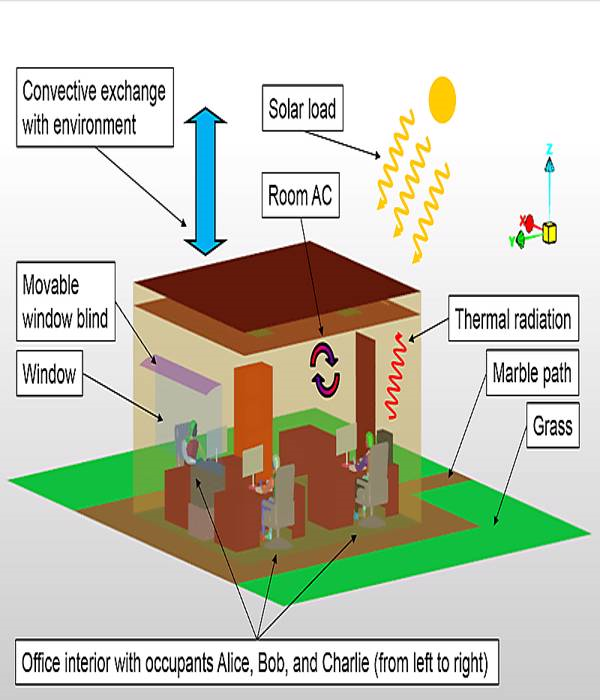
Thermal comfort modelling is a crucial aspect of building design and environmental engineering, aimed at predicting and ensuring the comfort of occupants within a space. The adaptive comfort model considers how occupants adapt to their environment, making it particularly useful for naturally ventilated buildings. Our expert team carries out the thermal comfort analysis for domestic and non-domestic buildings through various models in accordance with -CIBSE TM52 guidelines to limit the risk of overheating in Non-Domestic Building - CIBSE TM59 guidelines to limit the risk of overheating in Residential Building. - BB101 limit the risk of overheating in Educational building. - HTM limit the risk of overheating in Healthcare building - The thermal comfort analysis considers the parameters described in CIBSE TM52. Additionally, several models are used to assess thermal comfort, which introduces the Predicted Mean Vote (PMV) and Predicted Percentage of Dissatisfied (PPD) metrics to evaluate comfort based on factors like air temperature, humidity, and clothing insulation. These models help designers create environments that maintain optimal thermal conditions, enhancing occupant well-being and energy efficiency.
Contact Us.png)